What clients want from agencies in 2026
01 December, 2025 Reading: 4:19 mins

By Sarah
Recently I moderated a refreshingly frank panel with four clients about what they're looking for from agencies as we head into 2026. One insightfully reframed the challenges we're all facing as "the new climate" rather than a perfect storm – making the point that storms pass, and this isn't passing.
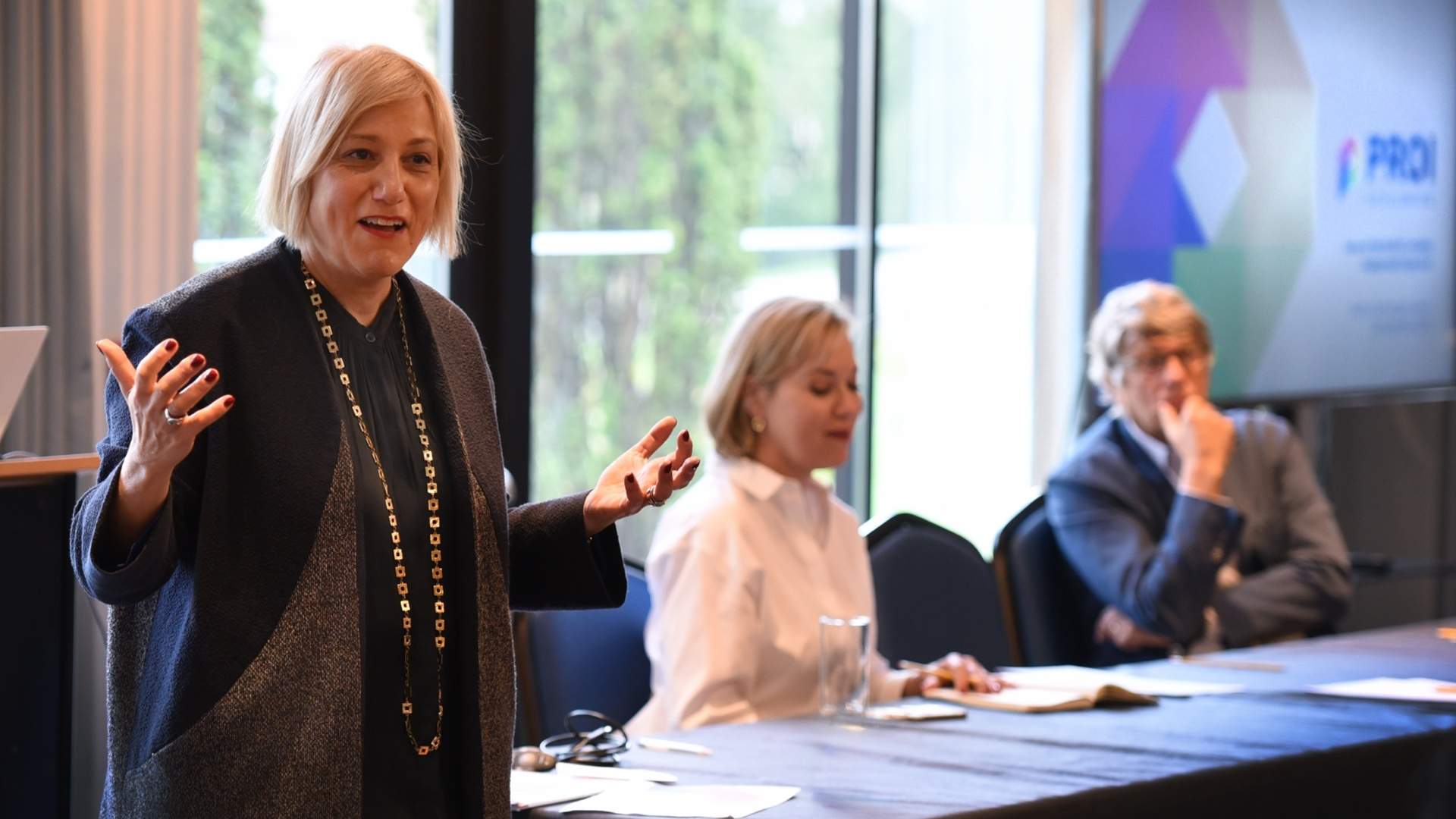
That honesty set the tone for the entire conversation. These clients - spanning biotech, international development, tech security and FMCG - were remarkably candid and opened up about their frustrations with agencies, the times they know they've been difficult as clients, what keeps them awake at night.
Three clear themes emerged but the overwhelming message was that they are craving more human intelligence, not less.
We want your brain, not just your hands
"We want your brains as well as your hands," one panellist told the room. "That random thing you thought about in the shower this morning - we really want to hear about it." Our panel of clients all mentioned wanting the same thing: agencies who bring reasonable challenge and say "No, terrible idea. That's never going to work."
Another panellist described agencies as "bringers of courage" who help them to see around corners. Another treats her agency as an extension of the team - copied on the same emails at the same time as internal staff - not just extra hands, but outside perspective.
Clients now increasingly do tactical work themselves. What they're paying for is an agency’s perspective. The creative difference that comes from not being entrenched in their organisation or industry. The ability to challenge corporate thinking.
But agencies can only bring their best thinking when clients give permission for uncomfortable or unconventional ideas. As one panellist put it, "We really relish the category expertise, but the creative difference... that's what we need. It makes you pause in the best way."
We want challenge, not compliance
"If it's an outright no, I agree that's difficult," one client reflected. "But if it's no, but here's why, we're both learning something from that exchange."
This nuance is critical - challenge without explanation is just obstruction. But reasoned disagreement is gold for everyone involved.
Geopolitical tensions, economic pressure and the pace of change mean many organisations are defaulting to "freeze mode" and hunkering down, waiting for things to settle. These clients said that they need agencies to stop them doing this. To push them towards agility rather than paralysis.
One panellist, whose organisation works in deeply political, nuanced contexts, values KISS as a sounding board rather than a yes-person. "I don't expect anyone to have all the answers. We're all learning together. This is not going to be easy. But let's not hide our heads in the sand."
This requires permission from both sides. Clients must welcome and sit with pushback. Agencies must be brave enough to give it. The clients who'll get most from their agencies in 2026 won't be the ones with the biggest budgets or clearest briefs. They'll be the ones brave enough to say "I don't know" and "I might be wrong" - creating space for agencies to bring their best thinking.
We want honesty, not polish
When I asked what makes a bad agency, the answers were immediate and unflinchingly specific. Long PowerPoints. Agencies that put 10 people into a room but deliver no real value. Being billed for senior people you didn't know were attending meetings.
The most honest conversations happen when both parties have explicitly agreed that truth matters more than politeness. Our panel proved this by being remarkably self-aware about when they're being difficult clients, too.
The AI question crystallised this need for honesty. Clients want transparency about how things are being done. There's an acceptance that AI will be part of the process - for admin, for initial drafts, for speeding up iterations – and transparency about process all the way through to billing is paramount here.
That means frank conversations about methodology. Not black boxes and mystery. Transparency about what AI does and what humans must do - the creativity, the strategic thinking, the empathy that only people can bring.
What this means for 2026
In a world where everything feels uncertain, the fundamentals of good partnerships - trust, challenge, honesty - are becoming more valuable, not less. The agencies showing up with courage and curiosity will thrive. Those selling outputs and polish won't.
So as you plan for the year ahead, start with permission. Give your agency explicit room to challenge you, then prove you mean it when they do. Next comes transparency. Have frank conversations about methodology, especially around AI. And finally, courage. Be brave enough to say 'I don't know' and work things out together."
If witnessing this generous and honest conversation between clients taught me anything, it's that the best client-agency relationships in 2026 will be built on permission - permission to challenge, permission to be honest, permission to admit uncertainty. We thank each of our panellists for bringing each of these in buckets for one of the best panels I’ve been to in a long time.
If after reading this you're wondering whether your marketing strategy creates partnerships that deliver real value in this new and ever-changing climate, we should talk.